Performing for the People Who Already Know the Punchline

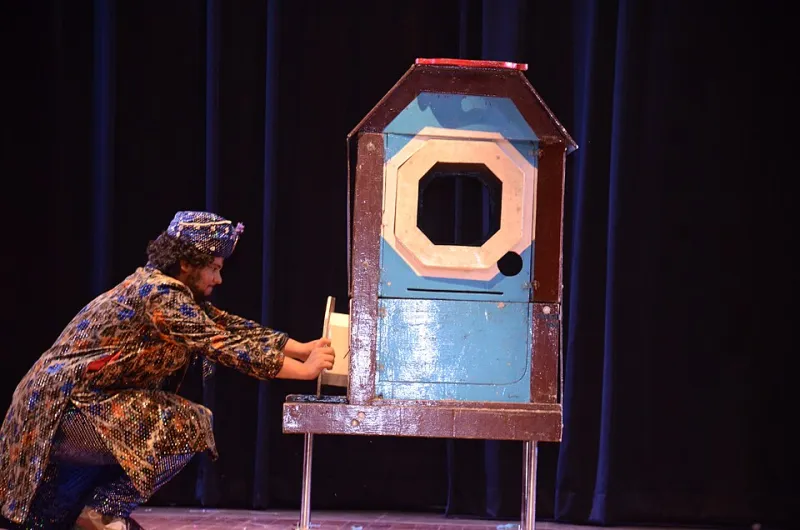
Photo: WhiteTieEnt, CC BY 4.0, via Wikimedia Commons
The Hardest Room in Magic Has Nothing to Do with Stage Fright
Picture this: you're a magician who's spent the better part of a decade perfecting a single routine. The timing is flawless. The misdirection is invisible. Civilian audiences lose their minds every single time. Then someone invites you to perform at a magic convention in Las Vegas, and suddenly you're standing in front of three hundred people who've all practiced the exact same move you're about to do.
That's not just nerve-wracking. That's a completely different game.
Magicians performing for other magicians is one of the most fascinating dynamics in all of live entertainment — and it almost never gets talked about outside the community. Most performers will tell you, quietly and off the record, that it's the one scenario that genuinely keeps them up at night.
Why Expertise Kills the Experience (Sort Of)
When a regular audience watches a card vanish, their brain scrambles to explain what just happened. That scramble — that momentary confusion — is what creates the feeling of wonder. It's a cognitive gap, and magic lives inside it.
But experienced magicians don't have that gap. Or rather, their gap is much, much smaller. They've trained themselves to watch hands instead of faces, to track objects instead of following the performer's gaze, to notice the exact moment a secret action is supposed to happen. They're not watching the show. They're auditing it.
Neurologically, this is actually pretty interesting. Studies on expert perception show that professionals in any field process familiar information differently than novices — they chunk it, categorize it, and recognize patterns almost automatically. A chess grandmaster doesn't see individual pieces; they see formations. A seasoned illusionist doesn't see a flourish; they see a cover for a palm.
So the wonder gets filtered out before it even registers. Which raises an obvious question: what's left?
The Respect Factor (And Why It's Not Enough)
Here's something most people outside magic don't realize: when a magician watches another magician perform a technically excellent routine, there's still a genuine emotional response — it's just a different one. Instead of wonder, you get appreciation. Respect. A kind of professional admiration that says I see exactly what you did there, and it was beautifully executed.
That's real. That matters. But it's not the same as being fooled, and most performers will tell you that appreciation from peers, while meaningful, doesn't scratch the same itch.
"Getting a knowing nod from a fellow professional is great," one touring mentalist put it during a conversation at a regional magic gathering in Chicago. "But it's nothing like seeing someone genuinely not know what happened. Those are two completely different highs."
The challenge, then, isn't just technical — it's almost philosophical. Can you design a performance that delivers wonder to people who've theoretically inoculated themselves against it?
The Magicians Who've Actually Figured It Out
A small number of performers have developed real reputations for being able to fool other magicians, and the methods they use are genuinely instructive.
One approach is what some in the community call layering — building a trick that has an obvious-looking method and then executing a completely different one underneath it. The audience of experts assumes they've spotted the technique early, relaxes their scrutiny, and gets blindsided by the actual mechanism. It's essentially misdirection aimed at someone who thinks they're immune to misdirection.
Another approach leans into original material. Classics of magic — even brilliantly performed classics — are hard to make surprising for people who've seen them hundreds of times. But a genuinely new method or a fresh construction can catch even experienced eyes off guard. A few creators have made entire careers out of inventing moves that don't exist anywhere in published literature, specifically because that's the only reliable way to generate genuine surprise in a knowledgeable crowd.
Then there's the psychological angle. Some performers focus less on hiding mechanics and more on overwhelming the analytical mind with emotional content, storytelling, or sheer theatrical commitment. If you can make someone feel something deeply enough, the critical part of their brain quiets down just long enough for the trick to land. It's not fooling them mechanically — it's outflanking their defenses emotionally.
The Moments That Actually Happen
Ask almost any working magician about the last time they were genuinely fooled by a peer, and you'll usually get one of two responses: either they can't remember, or they remember it with startling clarity.
Those moments tend to stick. A card worker who's been doing close-up magic for twenty years suddenly can't account for where a chosen card went. A mentalist who's catalogued hundreds of psychological techniques watches a colleague do something that doesn't fit any category they know. A stage illusionist sees a manipulation sequence and genuinely cannot identify the sleight.
People who've experienced this describe it with a kind of reverence. It's not just professional respect — it's a reminder of why they got into magic in the first place. That feeling of not knowing, of the world briefly refusing to make sense, is the whole reason any of them picked up a deck of cards or a set of linking rings as a kid.
Being fooled, for a magician, is a gift. Which is probably why giving that gift to another magician is considered one of the highest achievements in the craft.
What This Tells Us About Wonder Itself
There's something worth sitting with here, beyond the technical specifics. The fact that magicians struggle to amaze each other isn't really a story about magic — it's a story about what knowledge does to experience.
We live in an era where information about almost everything is freely available. How movies make their effects. How mentalists cold-read. How stage illusions are constructed. And yet people still show up to watch magic, still gasp, still pull out their phones to share something they can't explain. Because knowing about something and actually experiencing it are two different things.
The magician performing for a room full of colleagues is just dealing with an extreme version of a challenge every artist faces: how do you reach someone who thinks they already understand what you're doing?
The answer, it turns out, is the same whether your audience is a skeptical teenager or a professional illusionist who's been in the game for thirty years. You find the thing they haven't seen. You make them feel something before they have time to analyze it. And you trust that somewhere underneath all that expertise, there's still a person who wants to be surprised.
That part never really goes away. Magicians, of all people, should know that.